Quoting and terminology for working translators

Price the job in ninety seconds. Keep every client glossary on one shelf.

WordRate counts the words, reads your analysis log and applies the rate card you agreed with that client, so the quote leaves your desk while the request is still warm. Termbases, style notes, purchase order numbers and delivery dates all sit on the same page as the price.

2,940 linguistsFreelance translators and small language service providers in 44 states.

6,120 rate cardsPer client, per pair pricing with fuzzy bands, minimum fees and rush rules.

Set up in one eveningImport a spreadsheet of past jobs and send a real quote the same night.

Freelance translator working at a home office desk with a laptop, an open bilingual dictionary and printed source pages in warm afternoon light
Plate I. The quoting desk: source pages on the left, dictionary on the right, and the rate you actually agreed on somewhere in between.

One term, four scripts, one price sheet: the word glossary shown in English, Spanish, Japanese and Arabic.

What Monday morning actually looks like

Four requests, four spreadsheets, and the rate you agreed in March

A translation quote is arithmetic plus memory, and the memory is the expensive part. Here is where the money leaks out of a working week.

Every quote starts from zero

You open the file, run a count, dig through old invoices for what that agency pays per word, then guess at the discount on repetitions. Nothing carries over from the last time you did it.

38 minutes per quote. Six requests a week is close to four unbilled hours.

Rates drift between clients

One direct client pays 0.19 per source word, one agency pays 0.12 with a 30 percent fuzzy band, and the sworn work carries a page rate. Quote from the wrong line and you have signed for the difference.

$840 gone on a single 12,000 word job priced from last year's agency rate.

Glossaries live in the inbox

The client's approved terms are in a message from eleven months ago with the subject line "Re: Fwd: terms". You translate from memory, and the reviewer flags the one term the legal team cares about.

2 unpaid hours of rework per language quality finding, plus a dented vendor score.

Deliveries tracked in your head

Three jobs, three time zones, two purchase order numbers you never wrote down. The file that slips is always the one from the account that feeds your quarter.

One late handoff can end a relationship worth $11,000 a year.

Open dictionaries, printed manuscript pages and a fountain pen resting on a wooden desk in warm afternoon light
Plate II. Reference work is only useful when it is within arm's reach of the price sheet.

Three moves, one quote

How a WordRate quote is built

The math is the same math you already do. WordRate simply refuses to forget the parts you set months ago.

Bring in the count

Upload the document for a straight source count, or drop in the analysis log from Trados Studio, memoQ, Wordfast or Phrase. Repetitions, 100 percent matches and each fuzzy band land in their own row, counted the way your client bills them.

Source words, target words, characters or standard lines

Pick the client and the service

Choose the account, the language pair and the service, and the rate card does the rest: per word rate, fuzzy discounts, minimum fee, rush surcharge, post editing tier and any hourly work such as desktop publishing or certification.

Rate cards remember what you agreed, not what you guessed

Send it, then track it

Your quote goes out as a branded PDF or a plain email, whichever that client prefers. Accept it and the same record becomes a project with a due date, a purchase order field and the client glossary attached, ready to mark delivered.

Quote, project and glossary stay one record

Built around the way linguists bill

Six things WordRate holds so you do not have to

No dashboards for their own sake. Each of these exists because a translator lost money without it.

Counts that match your invoice line

Count source words, target words, characters for Japanese and Chinese, or standard lines of 55 characters for German legal work. Set the unit once per account and every quote for that client uses it without being asked again.

Rate cards per client, pair and service

Record what each account pays for translation, revision, post editing, certification and page layout, in every pair you work. Edit a rate today and quotes you already sent keep the price the client accepted.

Analysis logs read as your tool wrote them

Drop in the analysis export from Trados Studio, memoQ, Wordfast or Phrase and WordRate maps repetitions, context matches, 100 percent matches and each fuzzy band onto that client's discount ladder. Nothing is retyped, so nothing is transposed.

Glossaries and style notes beside the work

Every client keeps a termbase, a do not translate list and the style decisions you defended two years ago, searchable from either side of the pair. Export to TBX or CSV when you subcontract a rush job and your colleague works from the same terms you do.

A delivery board that knows the time zone

An accepted quote becomes a project carrying the due date in the client's local time, the purchase order number and the handoff state. Filter to what ships today, what is waiting on client feedback, and what was delivered but not yet invoiced.

Minimums, surcharges and rounding that hold

Set your minimum charge, your overnight and weekend surcharges and the rounding rule you use, and they apply to every quote rather than the ones you happen to remember. Quote history then shows what you sent, what was accepted, and the rate per word you are truly earning.

Measured across accounts, not promised

What changes in the first quarter

Figures below come from 612 WordRate accounts that had at least ninety days of quoting history in the twelve months to January 2026.

92s

Median time to send a quote

Counting, discount bands, minimum fee and the PDF are one flow. The slow part becomes reading the client's email, not pricing the work.

$4,180

Recovered per translator per year

Minimum fees and rush surcharges get applied to every job rather than the memorable ones. On small certificate and affidavit work the difference compounds fast.

3.4 hrs

Returned to billable work each week

Quoting, term hunting and status emails shrink because the answers already sit on the project record. That time goes back into words you are paid for.

96%

Delivered on or before the due date

The board sorts by the client's local deadline, not yours, and flags anything inside 24 hours. Vendor scorecards notice within one quarter.

From translators who bill by the word

Three desks, three language pairs, one price sheet

I used to quote out of a spreadsheet with nine tabs and I still dropped the minimum fee on short affidavits. Now the analysis log goes in, the fuzzy bands I set for that agency apply themselves, and the PDF is out before I finish reading the request. Last quarter my minimum charge appeared on twenty three jobs that used to slip through.

Marisol Aguirre Vega Spanish to English legal translator, Aguirre Language Services, San Antonio, Texas

The glossary sitting next to the project is what changed my week. When a client's engineer insists on “valve seat” and not “seat of valve”, I write it down once and it is still there on the next purchase order two years later. My review scores stopped bouncing around and the arguing stopped with them.

Daniel Ostrowski Polish to English technical translator, Ostrowski Technical Translation, Milwaukee, Wisconsin

We run eleven pairs with a bench of forty freelancers, and every one of them had a different idea of what a rush job costs. WordRate holds our vendor rates beside our client rates, so I see the margin on a job before I accept it. Our project managers stopped emailing me for pricing approval at ten at night.

Naomi Feldman Managing partner, Cascade Localization Partners, Portland, Oregon

2,940translators and small language service providers quoting in WordRate

486,000quotes priced from stored client rate cards since the first release

1.4 millionglossary terms held across 6,120 client accounts

Plain monthly pricing in US dollars

Pick the plan that fits your book of work

One subscription covers quoting, rate cards, glossaries and the delivery board. There is no charge per quote and no percentage of what you invoice.

Freelance

For a solo translator with a steady handful of direct clients and agencies.

$15 per month

  • One seat with your own quote letterhead
  • 25 client rate cards across any language pairs
  • Unlimited word counts and quotes
  • Glossary storage up to 2,500 terms
  • Delivery board with due dates and purchase order numbers
  • Email support answered within one business day
Request a walkthrough

Language Agency

For a small language service provider coordinating a vendor bench.

$99 per month

  • Everything in Busy Freelance
  • Five project manager seats included
  • Vendor rate cards with the margin shown before you accept
  • Shared client glossaries with a change history per term
  • Delivery board across the whole bench with workload view
  • Client facing quote pages carrying your agency mark
  • CSV and JSON export plus a read only API key
  • Onboarding session and a named support contact
Request a plan for your team

Every plan is billed monthly in US dollars and can be cancelled at any time from your account settings, with access running to the end of the month you already paid for. There is no setup fee, no annual commitment and no charge for the seats you are not using.

Asked by translators before they sign up

Questions we get every week

You pay a flat monthly fee in US dollars: $15 on Freelance, $39 on Busy Freelance and $99 on Language Agency. Nothing is metered, so a month with two hundred quotes costs the same as a month with six. If you outgrow the 25 rate cards on Freelance you can move up at any time and the change appears on your next invoice. Moving back down works the same way, and your quote history stays intact either way.

Most translators are quoting within one evening. You enter your language pairs, your per word rates and your minimum fee, then import a spreadsheet of past jobs if you want the history to come with you. A rate card for an individual client takes about two minutes, and you only need the clients you are quoting this week. Agencies with a vendor bench usually spend one session with us mapping their existing price grid before they invite their project managers.

Everything sits in an encrypted database hosted in the United States, with backups taken every six hours and kept for thirty days. Source documents you upload for counting are processed and then removed after seven days, because you do not need us to be a second file archive. Your glossaries and rate cards belong to you, and you can export them to CSV or TBX whenever you like, including on the last day of your subscription. We do not train any model on your content and we never share it between accounts.

WordRate reads the analysis exports those tools already produce, including the CSV and XML logs from Trados Studio, memoQ, Wordfast and Phrase. There is no plugin to install and nothing changes about how you translate. On the billing side, accepted quotes export as CSV for QuickBooks, Wave and Xero, and the Language Agency plan adds a read only API key when an accountant prefers a direct pull. Plenty of users simply push that export into their own spreadsheet, which works just as well.

You can cancel in two clicks from account settings at any time, without writing to anyone or explaining yourself. Your subscription runs to the end of the month you have already paid for and we do not bill again. For sixty days after that your account stays in read only mode so you can export glossaries, rate cards and quote history at your own pace. After sixty days the account data is deleted, and you can ask us to delete it sooner by email.

No, and it would make a poor substitute. Your CAT tool segments the text, applies translation memory and produces the target file, and WordRate never opens a bilingual document. It handles the work either side of the linguistic part: what the job costs, what the client agreed to pay, which terms they insist on, and whether the file went out on time. You keep translating in Trados Studio, memoQ or Wordfast exactly as you did last week.

Source and Target, the WordRate magazine

What a job is worth, written down

Nine working pieces on rates, deadlines, terminology and certification, put together for people who send their own quotes. The three most recent are below.

regulation and compliance

What USCIS Requires on a Certified Translation of a Document

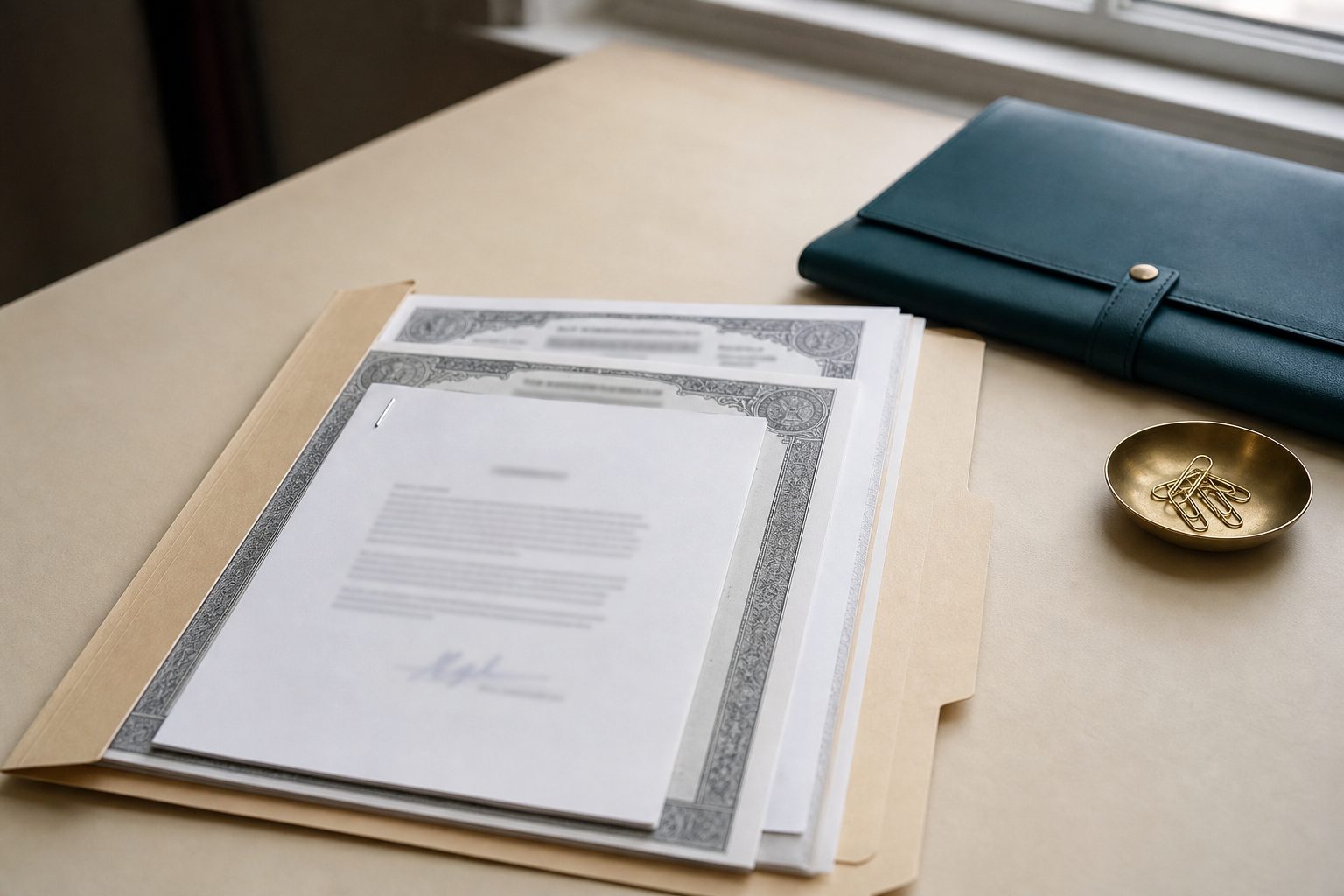
Federal rules ask for a complete English translation and a signed statement of competence. Notarization is not part of the requirement. Here is what belongs on the certificate and what gets a filing rejected.

Read every article in Source and Target

Bring a job you quoted last week

Send us one real request and we will price it with you

Tell us the pair, the client and the file, and we will build the rate card live and show you the quote you would have spent your morning on. Thirty minutes, no slide deck, and you keep the rate card whether or not you subscribe.

  • A working session on your own pricing, not a product tour
  • We import one analysis log and one glossary before you decide
  • Answers on data handling, exports and cancellation in writing
  • Agencies: bring your vendor grid and we will map the margin view

We reply within one business day, in English, from a real address you can write back to. Prefer plain email? Write to jimenezjulien42@gmail.com and attach the analysis log you want us to price.